

Isoprene
Your Professional Isoprene Supplier
Our goal is to become your true partner in the field of isoprene in China. Nanjing ZL Energy Co.,Ltd mainly engaged in the technology research and development, production and sales of refrigerant, foaming agent and other energy products as well as fluorine refrigerant series products. We have a skilled engineering team dedicated to refining every stage, from product development and process improvement to production oversight, ensuring every product delivered meets rigorous quality and performance standards. The price is competitive and the product is quality-assured, which is a good choice for your long-term cooperation.


Why Choose Us
Fast transportation
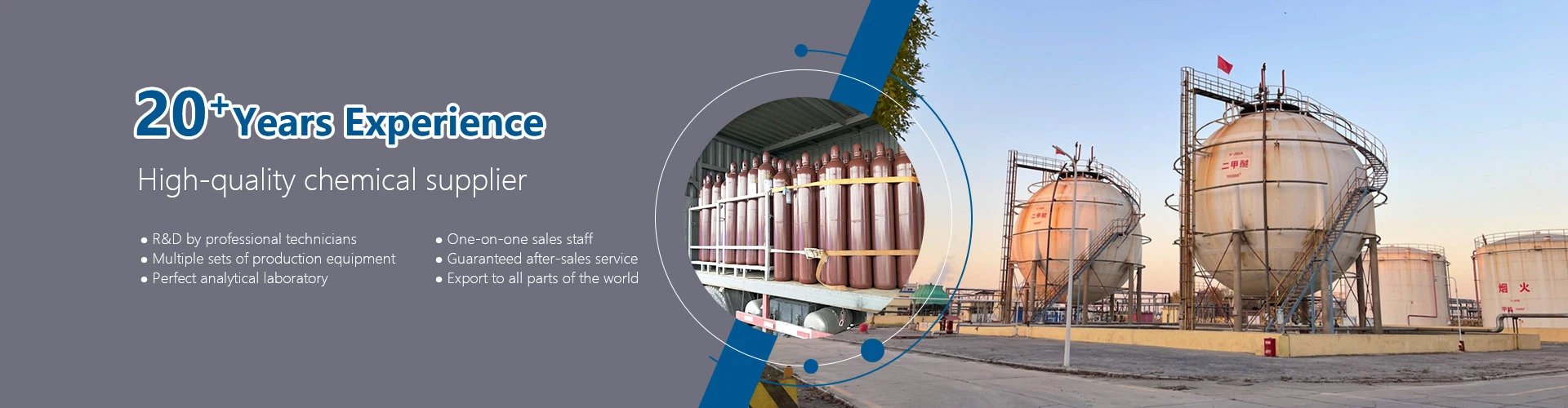
In order to better serve customers, the company has established its own dangerous goods transportation fleet and established a stable and efficient transportation channel.
Production equipment
We have 4 production lines, pressure horizontal storage tanks, spherical tanks and a complete analytical laboratory.
Our certification
We have ISO, SGS, ROHS and other certifications.
Our services
In the pre-sales stage, our team of experts will recommend the most suitable products according to the needs of customers and provide detailed technical consultation. During the sales period, we ensure timely delivery and provide installation guidance. For after-sales, we provide long-term technical support, warranty services and spare parts to help customers maximize the use of products and get reliable maintenance during use.
Advantages Of Isoprene
2-methyl-1,3-butadiene, also known as isoprene, is an organic compound with a chemical formula of C5H8. It is a colorless, volatile liquid that is insoluble in water but soluble in most organic solvents such as ethanol and ether.
Isoprene solvent, this magical molecule, is actually a general term for 2-methyl-3-butadiene, 2-methyldiethylene or 2-methylbutadiene. Isoprene solvent can be synthesized into isoprene rubber (IR) through a specific chemical reaction with similar properties to natural rubber.
Properties of Isoprene
|
Product name |
Isoprene |
|
Chemical formula |
C5H8 |
|
Molecular weight |
68.117 |
|
Melting point |
-146 ℃ |
|
Boiling point |
34 ℃ |
|
Density |
0.681 g/cm³ |
|
Appearance |
Colorless liquid |
Structural Characteristics of Isoprene
The chemical formula of isobutylene (CH3)2C=CH2 clearly shows its structural characteristics. First, the presence of two methyl groups makes the molecule branched, and this structural feature affects the physical and chemical properties of isobutylene. Secondly, the presence of double bonds makes some carbon atoms in the molecule have a higher electron cloud density, thereby enhancing the reactivity of the molecule.
Preparation Method of Isoprene

Ethynylation: After washing to neutral with water, the resin was suspended in methanol, and after 15–60 min, methanol was discharged. The treatment with methanol was repeated as described above until the water content of the effluent methanol was less than 0.1% and the water content of the ion exchange resin was less than 0.2%. The tubular reactor was filled with the ion exchange resin, and then acetone was saturated with acetylene, and liquid ammonia was introduced into the reactor at 2.5 MPa and 40 °C.
Selective hydrogenation: The methylbutynol and hydrogen were introduced into the hydrogenation reactor filled with a Pd/CaCO3 catalyst. The hydrogenation was carried out at 50–80 °C and under 0.5 MPa. The main by-product is methylbutanol. In order to suppress the formation of by-products, a small amount of zinc salt is added as an inhibitor. The conversion of the reaction was 100%, and the selectivity to methyl butanol was between 98% and 99%. The reaction mixture was separated in a gas–liquid separator. The unreacted hydrogen was recycled. The liquid was evaporated and finally sent to a dehydration reactor.
Dehydration: The azeotrope of methyl butanol and water was pumped to a fixed-bed dehydration reactor filled with an alumina catalyst. The Dehydration of methyl butanol was carried out at 260–300 °C and under atmospheric pressure. Methyl butanol was converted from 88% to 98%, and the selectivity to isoprene was more than 98%.
Use of Isoprene
In the rubber industry
Isoprene is one of the important raw materials for synthetic rubber. It can be copolymerized with nitrile rubber, styrene-butadiene rubber, etc. To produce rubber polymers with excellent properties.
In the chemical industry
Isoprene can be used to prepare a variety of polymer compounds, such as polyvinyl ketone ketone, styrene-propylene copolymer, etc. Through polymerization. These polymer compounds are widely used in coatings, textiles, plastics and magnetic materials.
Organic chemical reactions
In the field of fuel additives, isoprene is used as an anti-knock additive for gasoline because of its high octane number and low solubility. In the field of biomedicine, isoprene is used as a protective antioxidant because of its low toxicity and strong antioxidant properties.

Safety Guidelines for Using Isoprene
Vapor produces no effects other than slight irritation of the eyes and upper respiratory tract. ISOPRENE may react vigorously with strong oxidizing agents. May react exothemically with reducing agents to release hydrogen gas. May undergo exothermic addition polymerization in the presence of various catalysts (such as acids) or initiators. Undergoes autoxidation upon exposure to the air to form explosive peroxides. Mixing isoprene in equal molar portions with any of the following substances in a closed container caused the temperature and pressure to increase: chlorosulfonic acid, nitric acid (70%), oleum, sulfuric acid (90%).
Packing and Shipping of Isoprene
|
Packing |
Be stored in high-pressure cylinders or tanks |
|
Shipping |
Shipped by road, sea, rail |
FAQ
We're well-known as one of the leading isoprene manufacturers and suppliers in China. If you're going to buy high quality isoprene at competitive price, welcome to get more information from our factory.
High Purity Isoprene, isoprene, Isoprene Solvent