

Propane
Your Professional Propane Supplier
Our goal is to become your true partner in the field of propane in China. Nanjing ZL Energy Co.,Ltd mainly engaged in the technology research and development, production and sales of refrigerant, foaming agent and other energy products as well as fluorine refrigerant series products. We have a skilled engineering team dedicated to refining every stage, from product development and process improvement to production oversight, ensuring every product delivered meets rigorous quality and performance standards. The price is competitive and the product is quality-assured, which is a good choice for your long-term cooperation.


Why Choose Us
Fast transportation
In order to better serve customers, the company has established its own dangerous goods transportation fleet and established a stable and efficient transportation channel.
Production equipment
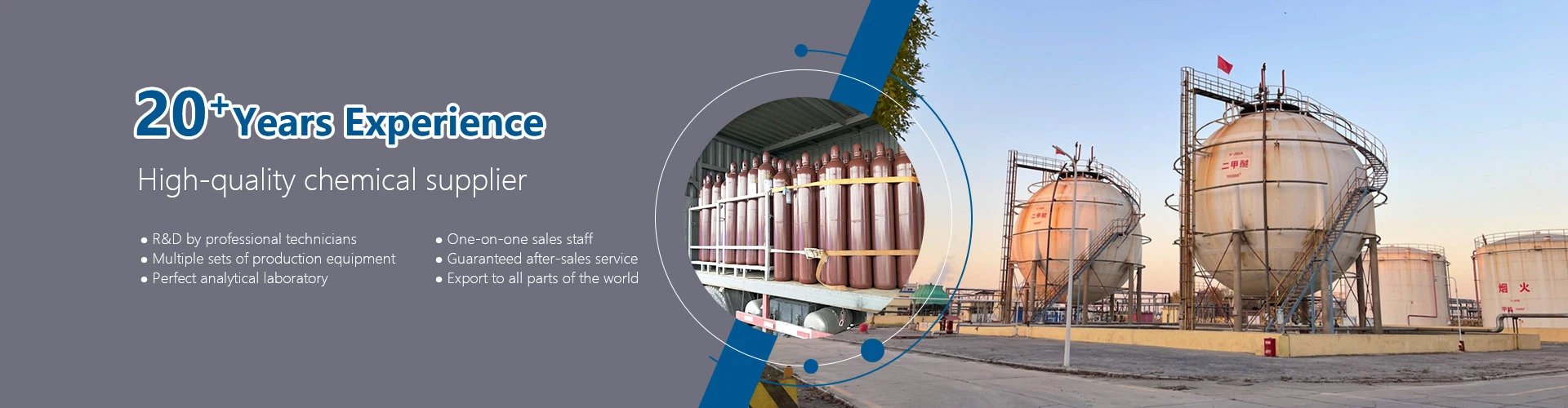
We have 4 production lines, pressure horizontal storage tanks, spherical tanks and a complete analytical laboratory.
Our certification
We have ISO, SGS, ROHS and other certifications.
Our services
In the pre-sales stage, our team of experts will recommend the most suitable products according to the needs of customers and provide detailed technical consultation. During the sales period, we ensure timely delivery and provide installation guidance. For after-sales, we provide long-term technical support, warranty services and spare parts to help customers maximize the use of products and get reliable maintenance during use.
Advantages of Propane
Certified green fuel
Propane is a non-toxic, nonpoisonous fuel that will not create an environmental hazard if it’s released as a liquid or vapor into soil or water. Because of this, propane tanks can be installed underground without any worry of contaminating the soil.
Clean burning
Because it is a clean fuel, homeowners that rely on propane are actually protecting their appliances from untimely maintenance. Sulfur dioxide and particulates are created from burning dirty fuels like gasoline and diesel. By burning dirty fuels, you’re creating soot and scaling in appliances, which can cause an increased need for maintenance.
Energy efficiency
Propane is nontoxic and won’t harm soil or groundwater in the rare event of a leak. But it’s important to follow proper safety processes, and the star tex team can help.

Properties of Propane
|
C3H8 |
Propane |
|
Molecular weight of C3H8 |
44.097 g/mol |
|
Density of Propane |
2.0098 kg/m3 |
|
Boiling point of Propane |
−42.25 to −42.04 °C |
|
Melting point of Propane |
−187.7 °C |
Use of Propane
The biggest use of propane is to make liquefied petroleum gas with butane, mainly as fuel. Propane is an important raw material for cracking ethylene. The technology of catalytic dehydrogenation of propane to produce propylene has been industrialized.
Propane gas phase nitration produces mixed nitro compounds: 1-nitropropane and 2-nitropropane, nitroethane and nitromethane. Nitropropane is a good solvent for vinyl and epoxy resins. Nitromethane is used as a fuel filler for racing cars. Propane can be oxidized to produce propylene oxide, with methanol, formaldehyde, acetaldehyde and acetic acid as by-products.

Propane is created through a fascinating process that starts deep beneath the Earth’s surface. It’s primarily produced during the natural gas processing and petroleum refining. When crude oil is refined, or natural gas is processed, various hydrocarbons are separated out, and propane is one of these. The process involves cooling the gas, which turns the propane into a liquid so it can be easily separated and collected.
Another interesting way to make propane in a lab setting involves a chemical reaction known as “cracking.” In this process, larger hydrocarbon molecules are broken down into smaller ones under high temperature and pressure. For example, when a larger molecule like hexane (C₆H₁₄) is cracked, it can produce propane (C₃H₈) and other smaller hydrocarbons.
Safety Guidelines For Using Propane
High purity propane R290 is flammable and explosive, so special attention should be paid to safety during use. When handling high purity propane R290, the source of leakage should be cut off as much as possible to prevent liquid from entering drains, sewers, etc., and prevent gas diffusion from causing suffocation. If combustion occurs, appropriate fire extinguishing agents should be used to extinguish the fire.
Packing and Shipping of Propane
|
Packing |
Be stored in high-pressure cylinders or tanks |
|
Shipping |
Shipped by road, sea, rail |
FAQ
We're well-known as one of the leading propane manufacturers and suppliers in China. If you're going to buy high quality propane at competitive price, welcome to get more information from our factory.
High Purity Propane, Propane Tank Cylinder CAS 74 98 6, Refrigerant Grade Propane